


-

Add: HeBei ShengShi HongBang Cellulose Technology CO.,LTD.
-

Email
13180486930@163.com -

CONTACT US
+86 13180486930
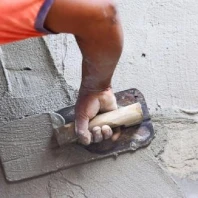


In the construction industry, particularly in plastering, retarder in gypsum plays a crucial role in enhancing the workability and performance of gypsum-based products. A gypsum retarder is an additive that slows down the setting time of gypsum, allowing workers to apply the material more easily and with more flexibility. This becomes particularly useful in large-scale applications, where time management and smooth application are essential for achieving high-quality finishes. The addition of a gypsum retarder not only prevents premature setting but also enhances the material’s usability, making it easier for workers to mix, spread, and smooth out the plaster on walls and ceilings. This is especially beneficial in high-traffic projects or in situations where multiple layers of plaster need to be applied. The retarder in gypsum ensures that the plaster doesn't set too quickly, which could result in uneven surfaces or unfinished work. One of the key advantages of using a gypsum retarder is that it gives professionals the extra time they need to adjust and perfect their work. It allows for consistent results even under tight deadlines or in difficult conditions, which is crucial in construction and renovation projects where precision is key. The Importance of Easy Mix Plaster Retarder for Efficient Workflows An easy mix plaster retarder is an essential tool for any professional working with plaster or gypsum. This type of retarder is specifically designed to simplify the mixing process, enabling workers to achieve the ideal consistency without the stress of rushed drying times. With an easy mix plaster retarder , workers can focus on getting the plaster to the right consistency before it starts setting, resulting in a smoother and more durable finish. What makes an easy mix plaster retarder particularly beneficial is its ability to maintain the material’s workability for extended periods, even in hot weather, which can otherwise cause plaster to set too quickly. By introducing a retarder into the mix, it is possible to maintain optimal plaster consistency and extend working time, ensuring no material is wasted and the application remains flawless. Moreover, the easy mix plaster retarder helps achieve more uniform plaster layers, ensuring consistent thickness and adhesion across the surface. This is particularly important when working on larger surfaces or projects that require more attention to detail, like ornate ceilings or walls with intricate designs. How a Gypsum Retarder Enhances Performance in Plastering Using a gypsum retarder is not just about slowing down the setting time of plaster—it also improves the overall performance of the material in plastering applications. Gypsum, when mixed without a retarder, can harden too quickly, leaving workers with limited time to achieve a smooth and even application. A gypsum retarder allows workers more time to manipulate the material, leading to more precise and even results. In addition to improving the ease of application, a gypsum retarder can also enhance the final appearance of the plaster. It helps to reduce the likelihood of cracking or shrinking during the curing process, which can be caused by the rapid setting of gypsum. By using a gypsum retarder , the material stays workable for longer periods, ensuring a smooth finish that is free of imperfections. This extended working time also gives workers the flexibility to apply multiple coats of plaster without the risk of the first layer setting prematurely. This is especially important in projects that require thicker layers of plaster, such as when leveling uneven walls or creating decorative features. The Advantages of Using Retarders in Gypsum-Based Materials The application of retarder in gypsum offers multiple benefits to both construction professionals and the quality of the final product. The most immediate advantage is the extended working time it provides, which enables workers to achieve a more consistent and high-quality finish. Without a retarder, gypsum can set too quickly, leading to poor application, uneven surfaces, and wasted material. Another advantage of gypsum retarders is that they improve the overall strength and durability of the plaster. When gypsum sets too quickly, it can result in cracks and an uneven texture, which diminishes the overall strength of the wall or surface. By using a gypsum retarder , the material sets gradually, allowing it to form a stronger bond and reducing the likelihood of cracks or weak points in the plaster. Additionally, gypsum retarders can be especially useful in larger projects or those requiring complex designs. The extra working time ensures that workers can complete large areas of plastering without the pressure of fast-setting materials, which is crucial for ensuring consistency and a high-quality finish across the entire surface. What is the Best Time to Use a Retarder in Gypsum? Using a retarder in gypsum is an effective way to extend the working time of plaster and improve the overall quality of the finish. However, it is important to know when and how to use a gypsum retarder for optimal results. For example, it is particularly useful when working in warm environments, as high temperatures can cause gypsum to set too quickly. In these conditions, adding a gypsum retarder will give workers more time to smooth and perfect the plaster without the fear of premature setting. Another scenario where a gypsum retarder is beneficial is when working on intricate plaster designs. These require more time for careful application and finishing, and a retarder can prevent the plaster from hardening before the design is complete. This is crucial for decorative plastering, where precision and smoothness are key. gypsum retarder FAQs What is a gypsum retarder used for? A gypsum retarder is an additive used to slow down the setting time of gypsum-based products. It allows workers to apply and work with the plaster over an extended period, ensuring a smooth and even finish without the material setting too quickly. How does a gypsum retarder affect the drying time? A gypsum retarder extends the drying time of gypsum by delaying the chemical reaction that causes it to set. This gives workers more time to manipulate the material, apply it properly, and achieve a better final result without the pressure of rapid setting. Can a gypsum retarder be used in all types of plastering projects? Yes, a gypsum retarder can be used in most plastering projects where extended working time is needed, such as large-scale applications, intricate designs, or when working in high-temperature environments. It ensures that the plaster remains workable and manageable for longer periods. What is the difference between a gypsum retarder and an easy mix plaster retarder? While both types of retarders slow down the setting time, an easy mix plaster retarder is specifically formulated to simplify the mixing process, making it easier to achieve the right consistency. On the other hand, a gypsum retarder is designed to work specifically with gypsum-based products, improving their overall workability and performance. Are there any downsides to using a gypsum retarder? While gypsum retarders offer many benefits, overuse can lead to a weaker final product or extended curing times. It is important to follow manufacturer guidelines and use the retarder as needed to avoid any potential negative effects on the material’s final strength.
- 40000tons

Production
- 20+years

Experience
- 5000+㎡

Acreage

-

The Emergence and Significance of Manufactured Fiber in the Textile Industry Manufactured fibers, commonly referred to as synthetic fibers, play a pivotal role in the modern textile industry. These fibers, created through chemical processes, differ significantly from natural fibers such as cotton, linen, or wool. Their unique properties, versatility, and the ability to cater to specific consumer needs have solidified their position in the fabric market. The Emergence and Significance of Manufactured Fiber in the Textile Industry One of the key advantages of manufactured fibers is their ability to be engineered for specific functionalities. For instance, polyester is widely known for its strength and resistance to shrinking and stretching, making it an excellent choice for outdoor and performance wear. Similarly, nylon offers exceptional elasticity and resilience, which is why it is commonly used in activewear and lingerie. Innovations in fiber technology have resulted in products like moisture-wicking fabrics, anti-microbial treatments, and UV-resistant textiles, catering to the evolving demands of consumers who seek durability and specialized performance in their clothing. fibra manufacturada Moreover, the economic implications of manufactured fibers are substantial. As the global demand for textiles continues to grow, the capacity to produce synthetic fibers at scale provides manufacturers with the ability to meet a variety of market needs efficiently. These processes are often less labor-intensive compared to the cultivation of natural fibers, which can be affected by environmental conditions and rely heavily on agricultural practices. The consistent output and lower production costs associated with manufactured fibers create a more stable market environment, contributing to the overall economy in terms of job creation and industry development. However, the rise of manufactured fibers has not been without controversy. Environmental concerns regarding the production and disposal of synthetic fibers have been increasingly scrutinized. The petroleum-derived nature of many synthetic fibers raises questions about sustainability, as these materials contribute to pollution and are typically non-biodegradable. Efforts to address these challenges have sparked innovations in recycling and the development of bio-based synthetic fibers that aim to minimize the carbon footprint of textile production. Brands focusing on sustainability are now investing in closed-loop systems to recycle polyester and other synthetic materials, thus reducing waste and promoting a more circular economy. In addition to the environmental challenges, there is also a growing consumer consciousness regarding the impact of manufactured fibers on skin health. Some individuals may experience irritation or allergic reactions to synthetic materials, leading to a demand for hypoallergenic options. As a response to these concerns, manufacturers are developing new fibers that combine the benefits of synthetic materials with the qualities of natural fibers, such as breathability and softness. In conclusion, manufactured fibers have profoundly influenced the textile industry by providing versatile, high-performance alternatives to natural fibers. While they present challenges in terms of sustainability and consumer health, ongoing innovations and a shift toward more environmentally friendly practices indicate a promising future for these materials. As technology and design continue to evolve, the textile landscape will undoubtedly reflect a balance between the advantages of manufactured fibers and the growing need for responsible consumption and production practices. The journey of manufactured fibers from inception to present-day use highlights the dynamic nature of fashion and textile development, driven by both necessity and innovation.
-
Nitrile rubber powder , a versatile polymer, is becoming an indispensable asset in numerous industrial sectors. Its unique attributes make it a go-to material for applications requiring resilience, durability, and flexibility. Exploring the numerous facets of nitrile rubber powder provides insight into why it is favored by industries ranging from automotive to consumer goods. Renowned for its remarkable resistance to oils, chemicals, and heat, nitrile rubber powder is a material that stands out for its durability. This attribute is particularly advantageous in manufacturing automotive components such as seals, gaskets, and hoses that frequently encounter harsh environments. These components require a material that does not degrade quickly, thereby ensuring extended service life and reliability in vehicle performance. Another noteworthy feature of nitrile rubber powder is its flexibility. Despite being robust, it can be easily molded, which makes it ideal for creating detailed and complex parts without compromising on strength. Flexibility is a key factor in producing items that require precision and adaptability, such as O-rings and cushioning materials used in various machinery and consumer products. In addition to flexibility and durability, nitrile rubber powder exhibits excellent adhesive properties. This allows for enhanced bonding when combined with other materials, which is crucial in crafting composite products used in construction, electronics, and healthcare. For example, in the construction industry, it is used in adhesives and sealants to provide waterproofing and integrity to structures, ensuring they withstand time and environmental factors. One cannot overlook nitrile rubber powder’s resistance to temperature variations. Its ability to maintain structural integrity across a wide temperature range makes it invaluable for applications exposed to extreme conditions, such as in aerospace or refrigeration systems. In these scenarios, the material’s performance determines safety and functionality, underscoring its importance in critical applications. nitrile rubber powder Moreover, nitrile rubber powder's ease of handling and processing makes it cost-effective for manufacturers. The efficiency in production translates to lower costs without sacrificing quality, a crucial factor for industries aiming to optimize expenditure while maintaining high standards. This aspect is vital for large-scale manufacturing operations where consistency and efficiency are paramount. From an environmental standpoint, nitrile rubber powder’s development has focused on reducing its ecological footprint. Manufacturers are investing in eco-friendly production methods, including recycling initiatives and the creation of compounds that reduce emissions and waste. This focus aligns with global movements towards sustainability, making nitrile rubber powder an attractive option for companies prioritizing environmentally conscious practices. Healthcare is another sector reaping the benefits of nitrile rubber powder. Its hypoallergenic properties make it suitable for producing medical devices and protective gear, such as gloves, which are essential in hospital settings. The material's robustness ensures that these products provide the necessary protection against contaminants, ensuring the safety of healthcare professionals and patients alike. Additionally, recent advancements in polymer chemistry have propelled nitrile rubber powder into new realms of innovation. Research and development are unlocking new potentials, such as enhancing its electrical conductivity for use in electronic parts, thereby widening its scope of application. Such innovations not only elevate the utility of nitrile rubber powder but also reinforce its standing as a premium choice for cutting-edge developments. In summary, nitrile rubber powder is an essential material whose attributes cater to various industry needs, from resisting adverse conditions to providing cost-efficient manufacturing benefits. As industries continue to evolve, the adaptability and reliability of nitrile rubber powder ensure its place as a cornerstone material in both traditional and emerging applications. The ongoing research and shift towards sustainable practices promise a bright future for this polymer, underscoring its role in advancing industrial innovation and environmental responsibility.
advantages
-

200000 Viscosities
Excellent product
We can produce pure products up to 200,000 viscosities
-

40000 tons
High yield
We don’t stop production all year round, and the annual output can reach 40,000 tons
-

24 hours
Quality service
We provide 24-hours online reception service, welcome to consult at any time
———— Inquiry Form
Schedule A services

-
 fabricants_de_fibres_pp
Oct . 25, 2025
Redispergable Latex Powder An Innovative Solution in the Coating Industry In recent years, the deman -
 retaine_hpmc_vs_mgd
Oct . 25, 2025
The Rise of Manufactured Synthetic Fibers Transforming the Textile Industry In today’s modern world, -
 wanga_ether_katika_adhesive_tile
Oct . 25, 2025
The Exploration of VAE for Dimensionality Reduction In the field of machine learning, Variational Au


